

How Long Does Chimney Cleaning Take and What Can Affect It?

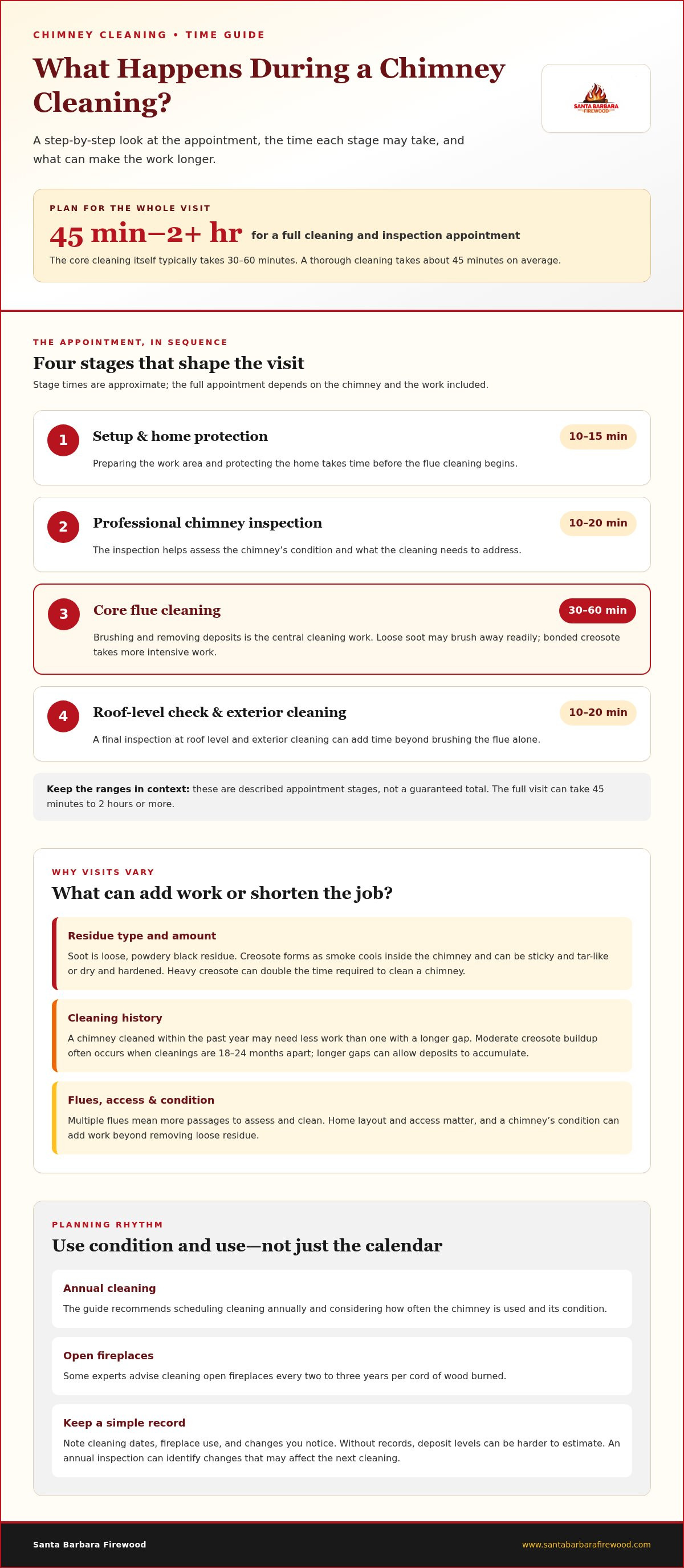
A chimney with little buildup can be cleaned faster than one with a long cleaning gap. The core cleaning process typically takes 30-60 minutes, while a full cleaning and inspection appointment can take 45 minutes to 2 hours or more. How long chimney cleaning takes depends heavily on the chimney’s condition and cleaning history.
It’s reasonable to want a clear estimate before scheduling. If you’re wondering how long chimney cleaning takes, the amount and type of residue, number of flues, and home layout all affect the work. A short visit isn’t realistic for every chimney.
This guide explains what can make cleaning take more or less time, when to schedule service, and how creosote differs from soot. You’ll also learn why a regularly cleaned chimney may need less work than one with heavy deposits, and what happens during an appointment.
Table of Contents
1 - When Should My Chimney Be Cleaned?
A standard chimney cleaning’s core work typically takes 30-60 minutes. A thorough cleaning takes about 45 minutes on average. The full appointment, including inspection, can take 45 minutes to 2 hours or more. If you’re asking, “How long does chimney cleaning take?” the answer depends on the work included and the chimney’s condition.
Setup and home protection typically take 10-15 minutes. A professional chimney inspection takes 10-20 minutes. A final roof-level inspection and exterior cleaning can add another 10-20 minutes. These stages explain why the appointment lasts longer than brushing the flue alone.
For a fireplace or wood stove, the appliance type alone doesn’t determine how long cleaning takes. Flue condition, residue buildup, and access all matter. A regularly maintained fireplace may need less work than a stove chimney with heavy deposits, and multiple flues can extend the appointment.
So, how long does chimney cleaning take for a standard visit? Plan for 30-60 minutes of core cleaning, or 45 minutes to 2 hours or more for the full appointment. A recently cleaned, accessible flue can require less work; heavy deposits or additional inspection tasks can extend the visit.
Schedule cleaning annually, and consider how often you use the chimney and its condition. Some experts advise cleaning open fireplaces every two to three years per cord of wood burned. An annual inspection can identify changes that may affect the next cleaning.
Homeowners can attempt chimney cleaning, but clearing the flue requires suitable access and tools. Roof access creates a fall risk, while disturbed soot and creosote can expose you to dust. Cleaning the firebox alone doesn’t remove deposits throughout the chimney.
5 - What is the Difference Between Creosote and Soot?
Soot is the loose, powdery black residue left by combustion. Creosote forms when smoke cools inside a chimney, leaving residue on the flue walls. The two can look similar from the fireplace, but their texture and buildup affect how they’re cleaned.
A light soot coating may brush away readily. Creosote can be sticky and tar-like or dry and hardened, depending on how it has built up. A brush may remove loose soot, while bonded creosote needs more intensive work. Appearance alone can’t reveal how much residue extends through the flue.
Cleaning history helps explain the difference in workload. Moderate creosote buildup often occurs when cleanings are 18-24 months apart. Longer gaps can allow deposits to accumulate, while frequent use and the chimney’s condition also influence what a cleaning must address.
Heavy creosote can double the time required to clean a chimney. Removing deposits that cling to flue surfaces takes more work than sweeping away loose soot. A chimney with both residue types may need attention along the full flue, not just around the firebox opening.
The difference between soot and creosote matters during cleaning because they don’t respond identically to brushing. The amount, texture, and location of each deposit shape the work. An inspection can help determine whether visible black residue is loose soot or more persistent creosote, explaining why chimneys with similar use can take different amounts of work to clean.
Chimney condition and cleaning history
A chimney cleaned within the past year may need less work than one that has gone much longer between cleanings. The difference depends on what has accumulated inside the flue and the chimney’s condition. A cleaning history gives a clearer picture of what to expect; without records, deposit levels are harder to estimate.
Creosote buildup can change the job substantially. Moderate deposits often develop when cleanings are 18-24 months apart, while heavy buildup can take longer to remove. The key factor is not simply how often the fireplace is used. The type and amount of residue on the flue walls also shape the cleaning.
Flue count matters, too. A home with multiple flues has more passages to assess and clean than one with a single flue. Poor chimney condition can also extend the work, because cleaning involves more than removing loose residue. Visible deterioration, for example, means the chimney’s condition needs attention as well as its deposits.
Keep a simple record of cleaning dates and changes in fireplace use. These details help explain why one visit may take longer than another, even in the same home. If you don’t know when the chimney was last cleaned, buildup and the chimney’s condition become especially important when estimating the work.
When buildup or chimney condition calls for professional attention, schedule chimney cleaning to address the flue and its cleaning history.
Santa Barbara Firewood: 1/2 CORD OAK
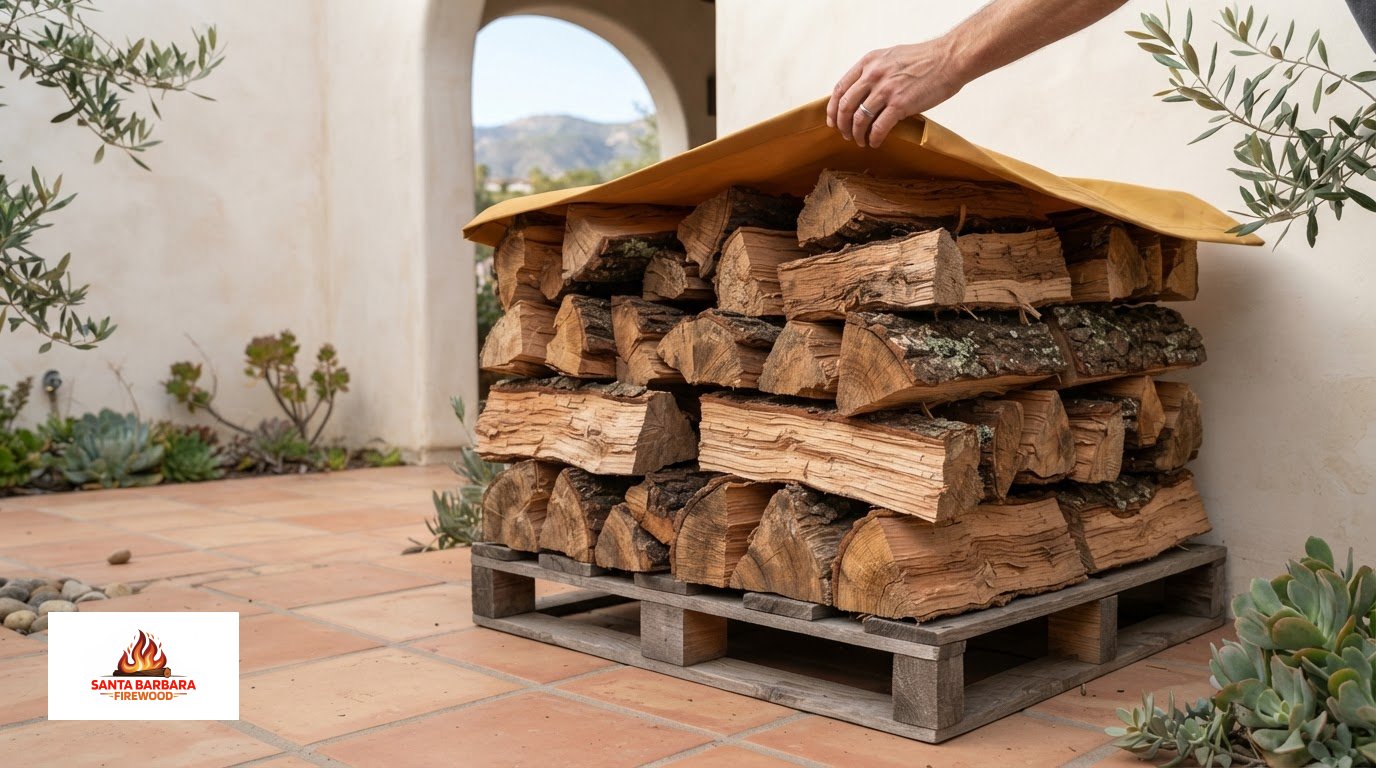
Santa Barbara Firewood offers 1/2 CORD OAK for households planning their firewood supply after chimney cleaning. Choosing the right amount depends on how often you use your fireplace and how much space you have to store wood.
For a smaller supply, consider 1/8 CORD OAK or 1/4 CORD OAK. A larger household supply may suit FULL CORD OAK. These options let you match the order size to your use and storage needs, without treating a larger quantity as the right choice for every home.
Keep the chimney’s condition and cleaning history in mind as you plan for future fires. Regular use affects how quickly residue can build up, so make cleaning part of ongoing fireplace care. Firewood and chimney cleaning meet different needs: one supplies wood for burning, while the other removes deposits from the chimney.
Visit Santa Barbara Firewood to explore the available oak cord sizes.
Make Your Next Fireplace Season Easier to Plan
Use your cleaning history to plan the next appointment. Note when the chimney was last cleaned, how often you use the fireplace, and any changes you’ve noticed. These details provide a clearer starting point for discussing the work and scheduling around your household routine.
If you’re still wondering how long chimney cleaning takes, remember that the chimney’s condition matters as much as the calendar. Plan maintenance before you rely on the fireplace regularly, rather than waiting for deposits or access concerns to disrupt your plans.
For your firewood needs, Santa Barbara Firewood offers options including FULL CORD OAK and 1/8 CORD OAK. Contact Santa Barbara Firewood today to explore the next step. A little planning now can help you approach the coming season with confidence.
Frequently Asked Questions
2 - Will You Tell Me What You Are Going to Do to My Chimney?
Santa Barbara Firewood’s chimney cleaning service includes inspection and removal of soot and creosote. The cleaning addresses residue inside the chimney, while the inspection assesses its condition. Before the appointment, note any changes you’ve observed, such as smoke entering the room or residue around the fireplace. Sharing this context helps focus attention on areas that need assessment.
4 - Will You Also Be Inspecting My Chimney?
Yes. Santa Barbara Firewood includes a chimney inspection with its cleaning service. The inspection assesses the chimney alongside soot and creosote removal, rather than treating sweeping as the only task. If you’ve noticed changes in fireplace performance or visible chimney damage, point them out during the visit.
6 - Can I Get Additional Flues In My Home Cleaned Too?
Yes, additional flues can be included in chimney cleaning. Each flue adds work because it must be assessed and cleaned separately. Cleaning multiple flues can add 30-60 minutes to the service time. For example, a home with a fireplace and a separate wood-stove flue needs both passages included in the cleaning plan.
8 - What Is Your Fee?
The service includes inspection and removal of soot and creosote. This is the fee for chimney cleaning, not a firewood order. If you’re planning for both, consider the service and product details separately.
How Long Does a Chimney Sweep Take?
A thorough chimney sweep takes about 45 minutes on average. If you’re asking, “How long does chimney cleaning take?” the full appointment can run from 45 minutes to 2 hours or more. The question “How long does chimney cleaning take?” includes more than sweeping alone; setup, inspection, flue count, and chimney condition all affect the time needed.

Comments